In what ways does your classroom reflect or challenge the real-life identities and experiences of your learners?
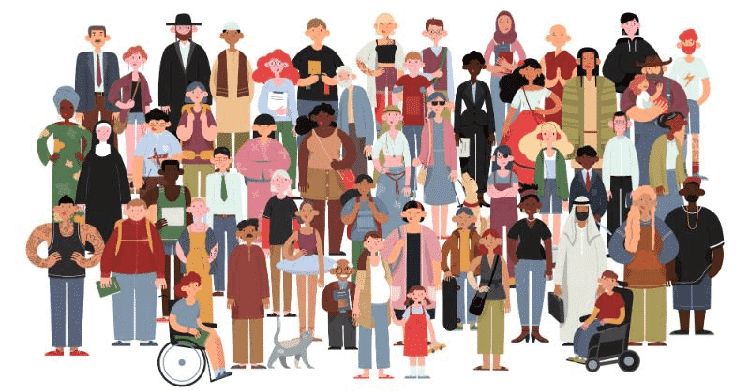
This is a question I often reflect on as a CELTA trainer and English teacher. Every group I work with is different, and learners come with a mix of cultural backgrounds, languages, beliefs, values, and personal stories. But also with different identities in terms of race, gender, sexual orientation, religion, and more. I feel that as teachers, we have a responsibility to create spaces where all learners feel seen, respected, and safe.
For me, reflecting learners’ real-life experiences means making sure our lessons are not based on a single view of the world. When we include materials that show a variety of voices, accents, families, lifestyles, and opinions, learners can often relate more easily, and also feel that their own identity is valued. This could mean choosing texts with more diverse characters or setting up tasks where learners can talk about things that matter to them.
One resource I’ve found particularly helpful in this regard is Raise Up!, a collection of inclusive ELT materials designed to promote representation and social justice in the language classroom. The lessons include authentic voices, cover real-world themes, and centre underrepresented identities. They’ve helped me create more thoughtful discussions and have allowed learners to see their own realities, or those of others, reflected in the content we explore. I always use their material when doing my demo lessons in the CELTA courses. (More info here: https://raiseupforelt.com)
At the same time, I believe that the classroom is also a space for growth. Sometimes, learners are not used to talking about difference or inclusion. But when we handle these topics sensitively, the classroom can help build more understanding and respect. I often try to create opportunities for learners to learn from each other, not just from me.
As Kumaravadivelu (2003) says, language teaching is not only about grammar and vocabulary, it’s also about helping learners navigate the world they live in. That world is diverse, complex, and constantly changing. The more we understand our learners as people with real lives and identities, the more meaningful and respectful our teaching becomes.
What small steps do you take to bring this into your teaching?


Leave a Reply