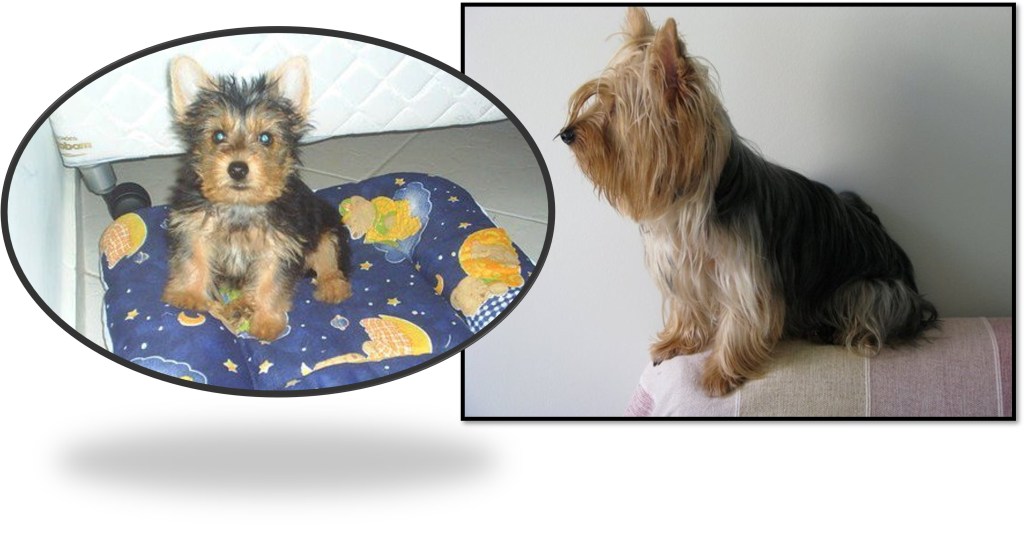
Yesterday, I said goodbye to my dog, Bunny. She was twenty-one years old, almost the same number of years I’ve been an English language teacher. She had been there through countless lessons, teacher training sessions, and moves across cities. Losing her feels a little like losing a co-teacher, a silent companion who witnessed every preparation, success, and challenge.
As I sit with the grief, I realise that some of the lessons I’ve learned as a teacher and teacher trainer mirror what it means to face this kind of loss. Teaching, after all, isn’t just about grammar charts or lesson plans – it’s about patience, presence, connection, and letting go.
Patience and long journeys
In language teaching, progress is rarely immediate. Students take time to develop confidence, fluency, and accuracy, and as teachers we learn to celebrate small steps forward. My dog taught me the same lesson – that relationships deepen slowly, through daily care, consistent presence, and small shared rituals.
Educational psychologist Lev Vygotsky spoke of learning as a “zone of proximal development” – growth that happens in the space between what a learner can do alone and what they can do with support. Caring for an ageing dog, like guiding learners, happens in that same space: offering just enough help, but letting them find their own way.
Observation and adaptation
As a teacher trainer, I spend a lot of time observing – noticing what works, what doesn’t, and how to adapt to the needs of the moment. With my dog in her final years, I found myself in constant “observation mode,” adjusting her environment, routine, and diet to keep her comfortable.
Donald Schön’s (1983) concept of the “reflective practitioner” describes this process – responding thoughtfully to what is unfolding in real time, whether in a classroom or at home.
The role of letting go
In teacher training, one of the hardest moments is stepping back and letting trainees take the lead. We resist the urge to intervene too much, because we know real growth comes when they own the process.
Losing my dog brought that same, more painful lesson. Sometimes, loving means releasing control – accepting that the time has come, even when we wish we could hold on.
Community and support
Good teaching is never done in isolation; we rely on colleagues, mentors, and professional networks. Grief works the same way. I’ve already felt the comfort of friends, family, and fellow teachers reaching out. As Parker Palmer (1998) writes in The Courage to Teach, “We teach who we are” – and who we are is shaped by the relationships that hold us in times of joy and in times of loss.
Closing thoughts
Teaching and loss are both deeply human experiences. They ask for patience, adaptability, reflection, and courage. In the classroom, we guide learners toward independence. In life, we sometimes guide those we love toward a peaceful goodbye.
I don’t know how my next class will feel without her, but I do know that every lesson I teach, every teacher I train, carries the quiet imprint of her companionship – twenty-one years of shared life, and a reminder that teaching, like loving, is always worth the effort.


Leave a Reply