I’ve been reflecting on how students are using generative AI.
I’m not against AI at all. When used purposefully, it can be an incredible tool for learning, creativity, and problem-solving.
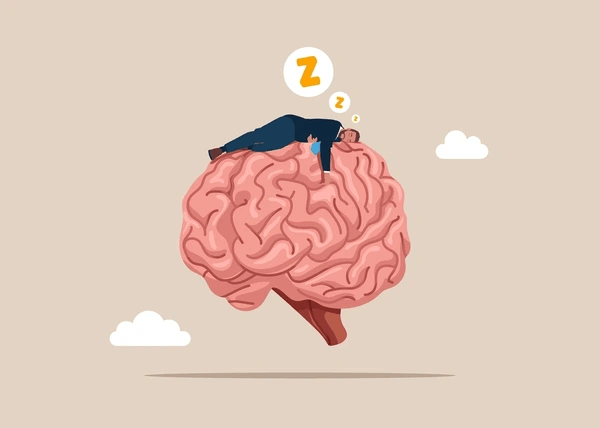
But I’m also seeing a worrying trend: the more our brains know they can rely on an external tool for information, the less they feel the need to retain it.
This idea isn’t new. Research on cognitive offloading – for example, work by psychologists like Sparrow, Liu & Wegner on the “Google Effect” – shows that when we expect information to be stored somewhere else, we naturally store less of it in our own memory.
We’ve lived this before:
- Before GPS, we remembered street names and directions much more easily.
- Before smartphones, we memorised phone numbers and birthdays.
I knew so many by heart; now I rely on my phone and social media reminders.
AI is simply the next step in this pattern.
I’m not an expert in cognitive science, and these are just my own observations as a teacher and teacher educator. I may be completely off the mark, so if someone who understands this area more deeply wants to shed some light, I’d genuinely love to learn from you.
Still, I think the challenge for us as educators is real:
How can we help students use generative AI effectively without weakening their ability to think, remember, and make connections?
For me, the answer lies in:
- Using AI as a thinking partner, not a shortcut
- Designing tasks where students must analyse, adapt, explain, or justify
- Teaching digital literacy alongside critical thinking
AI should support cognitive development, not replace it.
I’d love to hear how others are navigating this balance in their classrooms. How do you ensure AI enhances rather than weakens learning?


Leave a Reply